
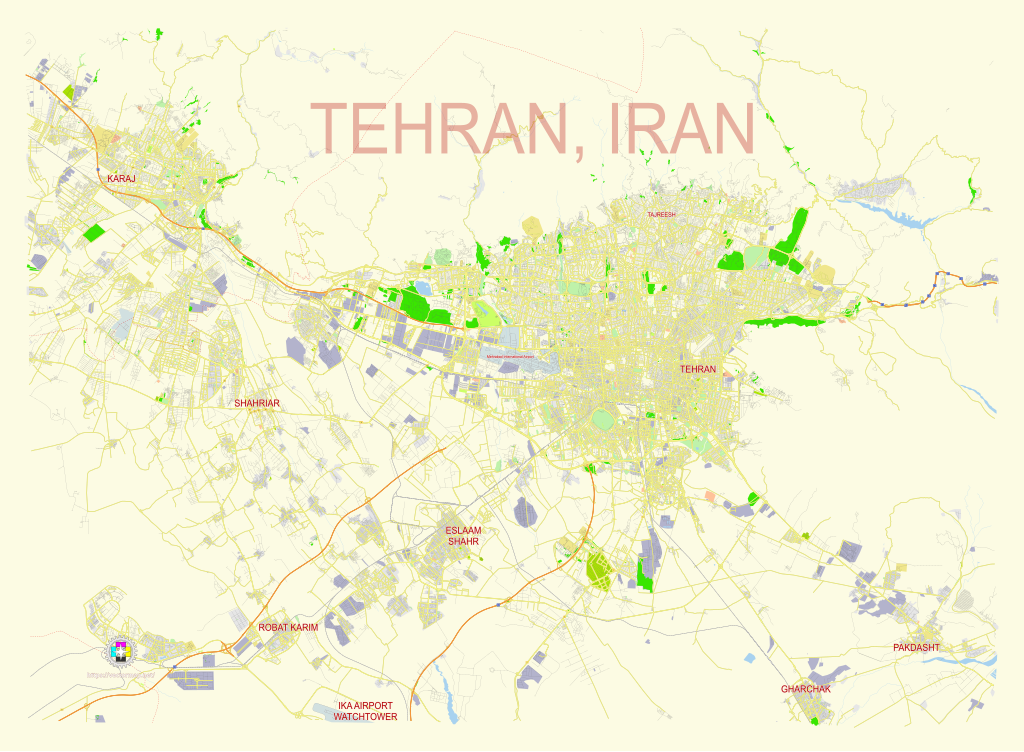
Photo by Kirill_ShrayberPreviously published: vectormap.net, CC0, via Wikimedia Commons
Technical negotiators from Iran and Oman have finalized a preliminary geographic framework and operational communication protocols for commercial shipping in the Strait of Hormuz. However, maritime authorities and trade analysts emphasize that the agreement represents a technical blueprint rather than an immediate restoration of safe commercial transit through the strategic waterway.
1. Technical Coordinates Established, but Waterway Remains Restricted
While the Muscat talks established designated GPS coordinates and direct coast guard hotlines aimed at avoiding military exercise zones, Iranian officials explicitly clarified that the agreement does not independently reopen the Strait. The waterway, through which approximately 20% of global petroleum flows, remains subject to heavy restrictions and heightened security protocols following months of regional escalation.
2. Unresolved Demands and Transit Fee Disputes
A major obstacle to resuming normal shipping operations involves broader political negotiations between Tehran and Washington. Following the technical announcements, Iranian security bodies reiterated that comprehensive maritime security hinges on unresolved diplomatic preconditions, including demands for sanctions relief and financial compensation for military damages.
Additionally, a significant point of contention has emerged regarding a proposed transit toll equivalent to roughly 5% of cargo value for vessels navigating the passage. The United States and international maritime bodies have firmly rejected the levy, maintaining that the Strait of Hormuz is an international waterway exempt from unilateral transit fees.
3. Ongoing Security Hazards and Vessels Going Dark
Despite technical routing protocols, security hazards in the region remain acute. Recent reports of attacks on commercial tankers near the Strait underscore the volatile security environment. To mitigate the risk of drone and missile tracking, shipping data indicates that more than 54% of transiting vessels continue to disable their Automatic Identification System (AIS) transponders—commonly referred to as going “dark”—while navigating high-risk corridors.
4. What This Means for Global Energy Markets
While the establishment of diplomatic hotlines and GPS pathways represents an incremental step in technical coordination, global energy markets and maritime insurers remain cautious. Until core political deadlocks, security threats, and fee disputes are formally resolved, international shipping lines are expected to maintain strict risk-mitigation measures across Middle Eastern maritime routes.