
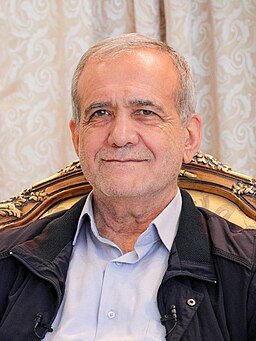
Photo by Khamenei.ir, CC BY 4.0, via Wikimedia Commons
Iran is speaking out of both sides of its mouth after attacks on oil tankers in the Gulf of Oman, leaving international observers scrambling to understand what’s really going on. While officially denying direct involvement, Iranian officials have also suggested they might retaliate if their oil exports continue to be blocked. This mixed messaging is raising serious concerns about escalating tensions in the region.
What Happened in the Gulf?
Two tankers, one Norwegian and one Panamanian-flagged, were attacked on June 15th, sustaining damage and causing an oil spill. The United States quickly blamed Iran, pointing to similar attacks in May and accusing Iran of trying to disrupt global shipping. However, Iran has consistently denied responsibility, calling the accusations “baseless.”
The Conflicting Statements
Iran’s Supreme Leader, Ayatollah Ali Khamenei, warned against escalating tensions but also stated Iran would not remain silent if its oil exports were completely halted. Other Iranian officials have hinted at potential responses, while simultaneously denying any role in the attacks. This creates a confusing picture, making it difficult to predict Iran’s next move.
Why the Mixed Signals?
Experts suggest Iran’s strategy is to maintain plausible deniability while signaling its willingness to respond to economic pressure. The U.S. has imposed crippling sanctions on Iran’s oil exports, and Tehran is feeling the strain. By denying involvement but threatening retaliation, Iran hopes to pressure the international community to ease sanctions. This tactic allows Iran to avoid direct confrontation while still asserting its power.
What’s Next for the Region?
The United States is increasing its military presence in the Gulf, and tensions remain extremely high. The question now is whether Iran will continue to rely on these ambiguous threats, or if it will take more direct action. The upcoming weeks will be critical in determining whether this situation escalates into a wider conflict, or if a diplomatic solution can be found.