
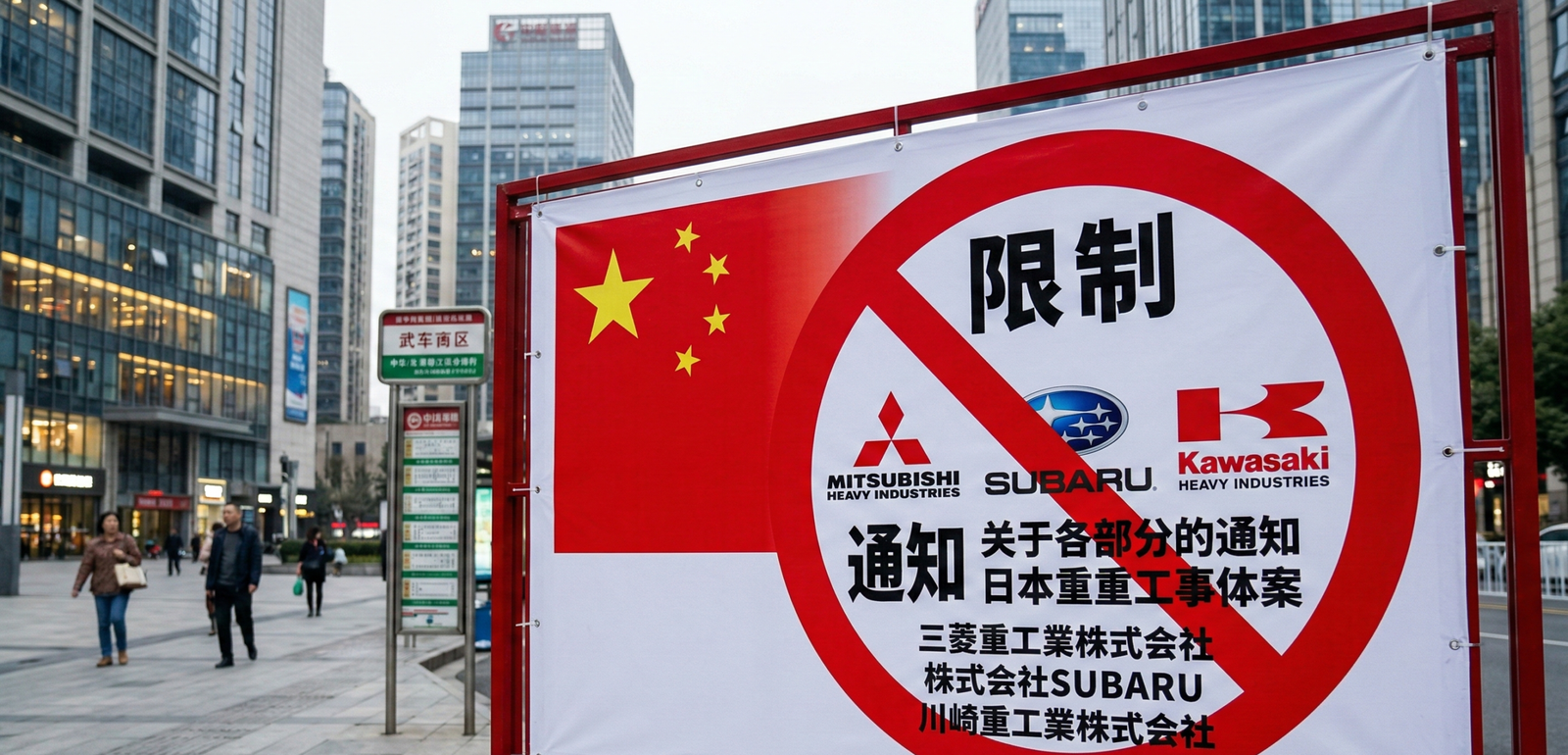
Photo BY The Prime Meridian Global
Trade wars used to be about steel and soybeans. Today, they’re about the high-tech components that power the modern battlefield. China just raised the stakes by restricting exports to 40 Japanese entities it claims are linked to the military.
The ripple effect of a quiet ban
This move didn’t come out of nowhere. Beijing is tightening its grip on who can buy its resources and technology. So, the 40 companies on the list now face a much harder time getting the Chinese parts they need to operate.
It’s a clear signal that China is willing to use its supply chain as a weapon. While the specific list of parts hasn’t been fully publicized, the focus is squarely on “dual-use” goods. These are items that can be used for normal business but are also perfect for building weapons.
A tit-for-tat tech struggle
To understand why this is happening now, you have to look at what Japan did first. For months, Tokyo has been aligning itself more closely with the U.S. to limit China’s access to advanced semiconductors. They restricted exports of chip-making tools, and Beijing didn’t take it lightly.
China’s new restrictions are essentially a counterpunch. By targeting 40 specific entities, they’re showing Japan that two can play the export-control game. But it’s not just about punishment. It’s about who holds the cards in this power struggle.
- Japan relies on China for several raw materials and intermediate parts.
- China is trying to protect its own military secrets while slowing down rivals.
- Global tech companies are now caught in the crossfire of this economic security race.
Where do we go from here?
Don’t expect things to cool down anytime soon. Both countries are currently obsessed with “de-risking”—a fancy way of saying they don’t want to depend on each other for anything important. This creates a massive headache for tech manufacturers who have built their entire businesses on cross-border trade.
As these lists of banned companies grow longer, the world’s two largest Asian economies are moving further apart. The real question is how many other countries will be forced to pick a side as the digital iron curtain falls.