
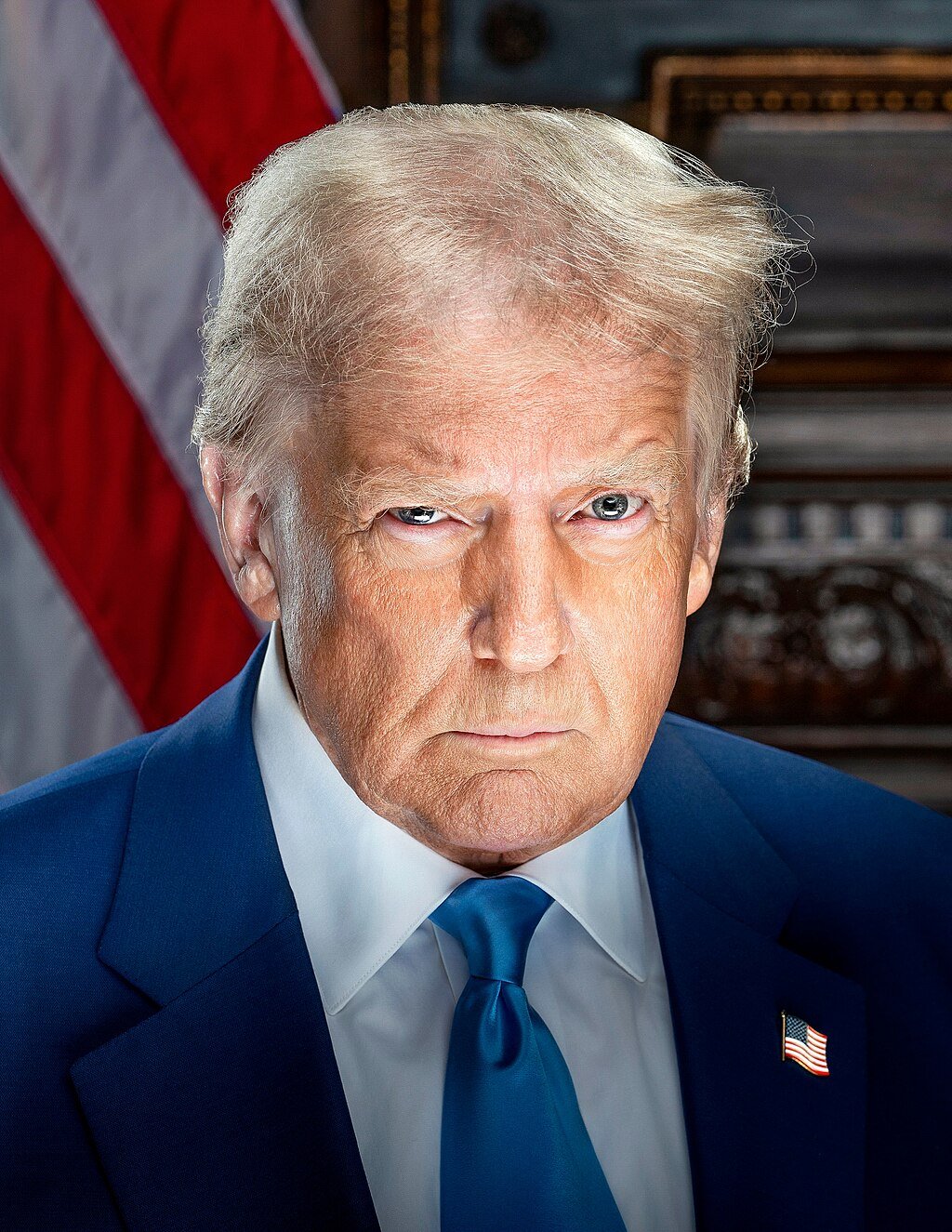
Photo by Daniel Torok, Public domain, via Wikimedia Commons
Donald Trump’s team is tired of waiting for Congress to pass new laws. Instead, they’re looking at a different path: changing the rules of the game themselves.
For decades, election laws were hammered out in statehouses or debated on the floor of the Senate. But the new strategy is much more direct. It’s about using executive power and the Republican National Committee to reshape how votes are cast, counted, and contested before anyone even steps into a booth.
The bypass maneuver
The core of this plan is about speed and control. By focusing on executive orders and administrative tweaks, the Trump campaign hopes to bypass the messy process of public debate. They’re looking at everything from how mail-in ballots are verified to who gets to stand inside a polling place as a monitor.
And it’s not just about the rules on paper. It’s about the people enforcing them. The goal is to install thousands of trained poll watchers and lawyers who are ready to challenge results in real-time. This isn’t just a legal theory; it’s a massive logistical operation that’s already in motion.
A shift in the RNC
This isn’t your grandfather’s RNC. The party has shifted its focus heavily toward “election integrity” — a term that means very different things depending on who you ask. To supporters, it’s a necessary shield against fraud. To critics, it’s a toolkit for making it harder for certain people to vote.
Here’s what they’re prioritizing:
- Stricter ID requirements enforced through administrative mandates.
- Aggressive purging of voter rolls using new data sets.
- Limiting drop boxes by pressuring local election boards.
But the most significant change is the move to act unilaterally. If you can change the manual that poll workers use, you don’t need to change the law itself. It’s a quiet way to have a loud impact on the outcome.
Whether these moves will hold up in court is the next big question. Lawyers on both sides are already warming up for what looks like the most litigated election in American history. The rules of the road are being redrawn while we’re already driving down the highway.