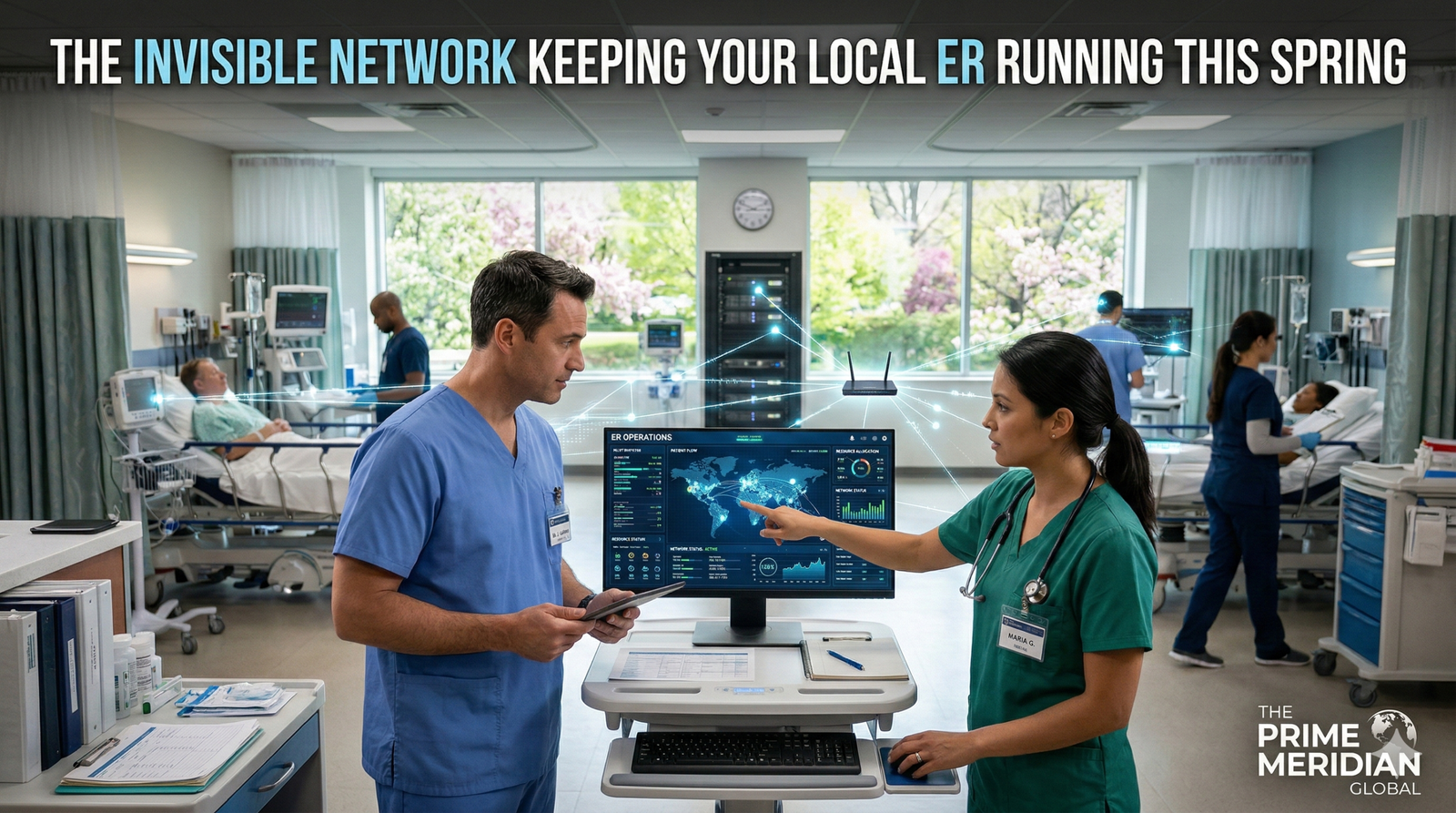
Most of us think flu season is a winter problem. But as any doctor will tell you, the virus doesn’t always follow the calendar. Sometimes, just when we think we’re in the clear, a late-season surge hits. That’s when the pressure moves from the doctor’s office to the warehouse.
It’s 2 AM in a busy emergency room. The waiting area is full of people coughing, and a nurse reaches for a fresh box of masks. That box didn’t get there by accident. It’s the result of a high-stakes guessing game played by medical distributors and health systems months in advance.
The art of the early start
Staying ready for a flu surge isn’t about panic-buying at the last minute. It’s about logistics. Medical distributors act as the middleman between the people who make the supplies and the hospitals that use them. They have to predict what’s coming before the first patient even sneezes.
These distributors look at data from the Southern Hemisphere to see which flu strains are most common. They track weather patterns and school breaks. And they use all that info to decide how many pallets of IV bags, needles, and rapid tests to tuck away in warehouses across the country.
Moving boxes at lightning speed
When a surge actually hits a specific city, the supply chain goes into overdrive. Most major health systems don’t have massive storage rooms anymore. They rely on “just-in-time” deliveries. This means if a hospital in Chicago sees a 30% jump in flu cases on Tuesday, they need more supplies by Wednesday morning.
Distributors use sophisticated routing to make this happen. They often have distribution centers within a few hours’ drive of every major hospital. It’s a bit like how Amazon gets a package to your door in a day, but with much higher stakes. If they miss a delivery, a clinic might have to turn patients away.
Why the late surge is different
Late-season surges are particularly tricky. By March or April, many manufacturers have already started shifting their focus to summer medical needs. But medical distributors have to keep a buffer. They maintain what they call “safety stock” to ensure that a late-season spike doesn’t catch everyone off guard.
- Real-time tracking: Hospitals share their inventory levels with distributors daily.
- Strategic stockpiling: Keeping extra supplies in regional hubs rather than one central location.
- Rapid replenishment: Using dedicated truck fleets to bypass standard shipping delays.
The goal is simple: you should never know there’s a supply chain at all. When you go to the urgent care for a flu test, you expect the test to be there. And behind that simple expectation is a massive, invisible network of trucks and warehouses making sure that it is.
The next time you see a delivery truck backing into a hospital loading dock, remember it’s likely carrying more than just boxes. It’s carrying the peace of mind that comes with being prepared for whatever the virus does next.