
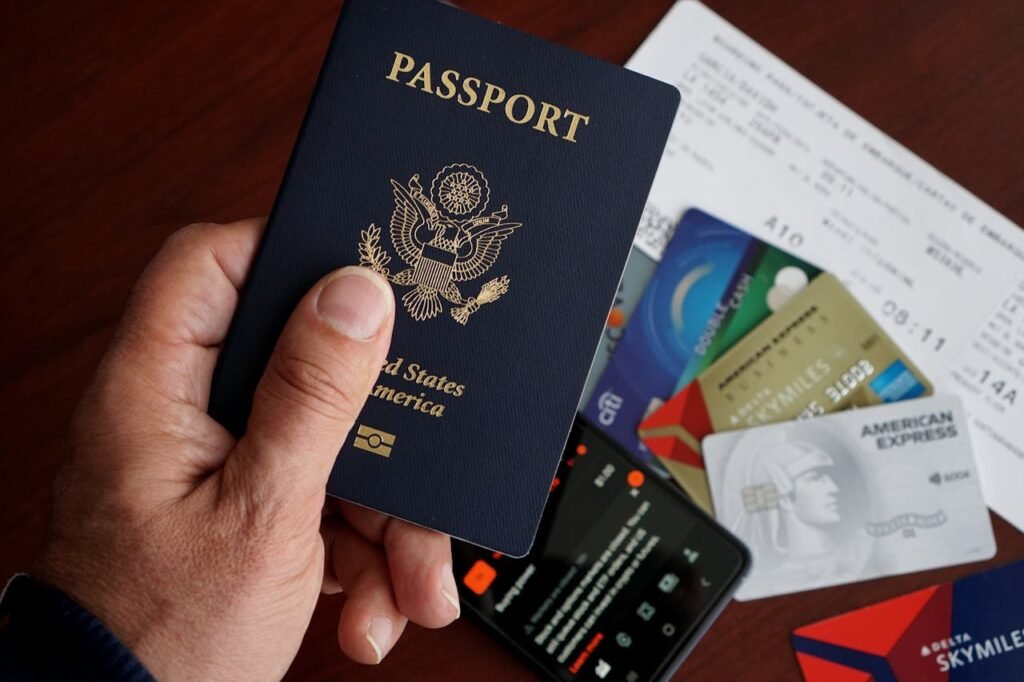
For decades, the story of global migration was mostly about people trying to get into the United States. But lately, the tide is shifting. Thousands of Americans are looking at their bank accounts, their political news feeds, and their stress levels and deciding it’s time to go.
It isn’t just a handful of retirees anymore. Young families, remote workers, and professionals are checking out of the American system in numbers we haven’t seen before. They aren’t just going for a long vacation. They’re selling their cars, giving up their leases, and buying one-way tickets.
The cost of staying put
The most obvious reason is the math. In many U.S. cities, the cost of living has moved from ‘expensive’ to ‘impossible.’ When a modest starter home costs half a million dollars and health insurance premiums feel like a second mortgage, people start looking for an exit.
In places like Portugal, Spain, and Mexico, that same money goes significantly further. We’re talking about a lifestyle where fresh food, reliable transit, and high-quality healthcare don’t require a six-figure salary. For many, moving abroad is the only way they can actually afford to live the life they were promised back home.
Work is no longer a tether
Before 2020, moving to another country usually meant finding a local job or being independently wealthy. The rise of remote work changed the game entirely. Now, if you can do your job from a laptop in a cubicle in Chicago, you can do it from a cafe in Mexico City.
Dozens of countries have caught on to this trend. They’re now offering ‘Digital Nomad’ visas specifically designed to lure Americans who want to spend their U.S. dollars in a local economy. It’s a win-win that has made the logistics of leaving easier than ever before.
Searching for a different pace
But the move isn’t always about the bottom line. There’s a growing sense of burnout. Many people are tired of the constant political friction and the feeling that American life has become a 24/7 hustle with no off-switch.
- Better work-life balance: Many European countries have cultures that prioritize family time over overtime.
- Safety and community: Parents often cite the desire for walkable neighborhoods where kids can play outside more freely.
- Healthcare: The fear of a single medical emergency leading to bankruptcy is a uniquely American weight that many are happy to drop.
Moving across the world isn’t easy, and it certainly isn’t a fix for every problem. There are new taxes to figure out, language barriers to break, and the inevitable sting of homesickness. But for a growing number of people, those hurdles seem small compared to the reward of a fresh start.
The ‘American Dream’ used to be a house with a white picket fence. These days, for more and more people, that dream looks like a passport and a flight out.